
When planning a renovation, most homeowners focus on finishes, layouts, and materials. But one of the most important decisions happens earlier than that.
It’s choosing how your project will be handled.
Two common approaches are working with a design-build contractor or hiring an installation-only contractor. Both can lead to a successful project, but they differ in how planning, decision-making, and construction come together.
Understanding those differences can help you choose the approach that fits your project, your budget, and how involved you want to be.
At Pottstown Construction Company, we operate within a design-build model, working with homeowners who want a more coordinated approach from planning through construction. That said, understanding how this compares to an installation-only approach is an important part of choosing the right fit for any project.
What Is a Design-Build Contractor?
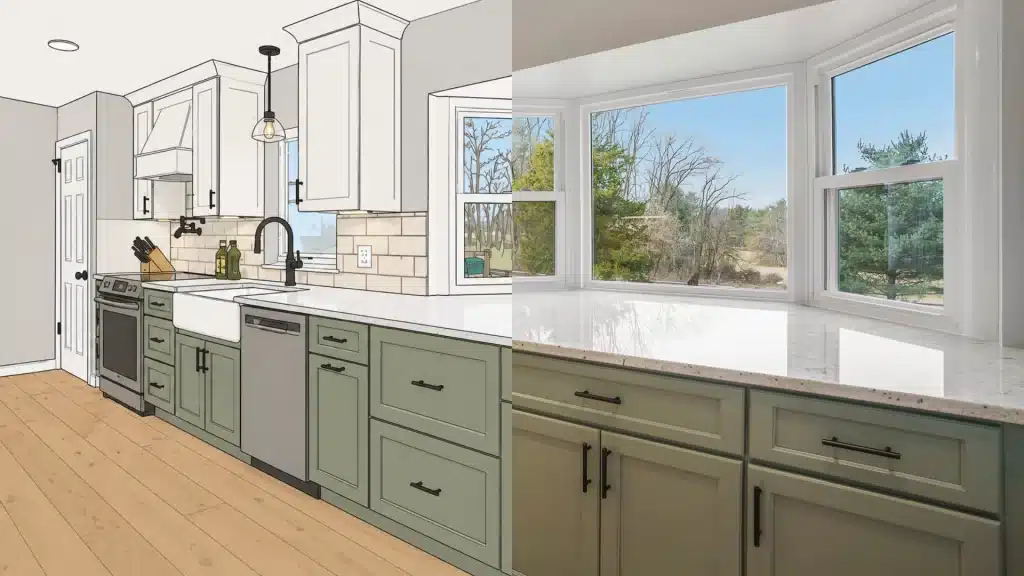
A design-build contractor manages both the design and construction of a project under one team.
Instead of separating planning and execution, everything is coordinated from the beginning. Design decisions, material selections, and construction planning happen together, allowing the project to move forward with a more defined scope.
This approach is often used for larger or more complex remodels, where multiple elements, layout, structure, finishes, and systems, need to work together.
What Is an Installation-Only Contractor?
An installation-only contractor focuses on executing the work based on plans and materials provided by the homeowner.
In this setup, the homeowner typically:
- sources materials
- finalizes design decisions
- coordinates details before installation
This approach can work well for simpler projects or for homeowners who already have a clear plan and are comfortable managing decisions independently.
Because planning and construction are separate, the outcome depends heavily on how complete and coordinated those decisions are before work begins.
How Planning Affects Timeline
One of the biggest differences between these approaches is how much planning happens before construction starts.
In a design-build setup, more decisions are typically made upfront. This can reduce delays during construction because fewer changes are introduced mid-project.
In contrast, installation-based projects may continue to evolve as work progresses, especially if design details are finalized along the way.
Industry research from the Design-Build Institute of America (DBIA) suggests that integrated project approaches are often delivered around 30–36% faster on average. While these studies are based on broader construction data, the underlying principle still applies in residential remodeling:
projects with more defined planning tend to move more predictably.
That said, timelines are still influenced by project size, complexity, and how quickly decisions are made.
Cost: Upfront vs. Overall
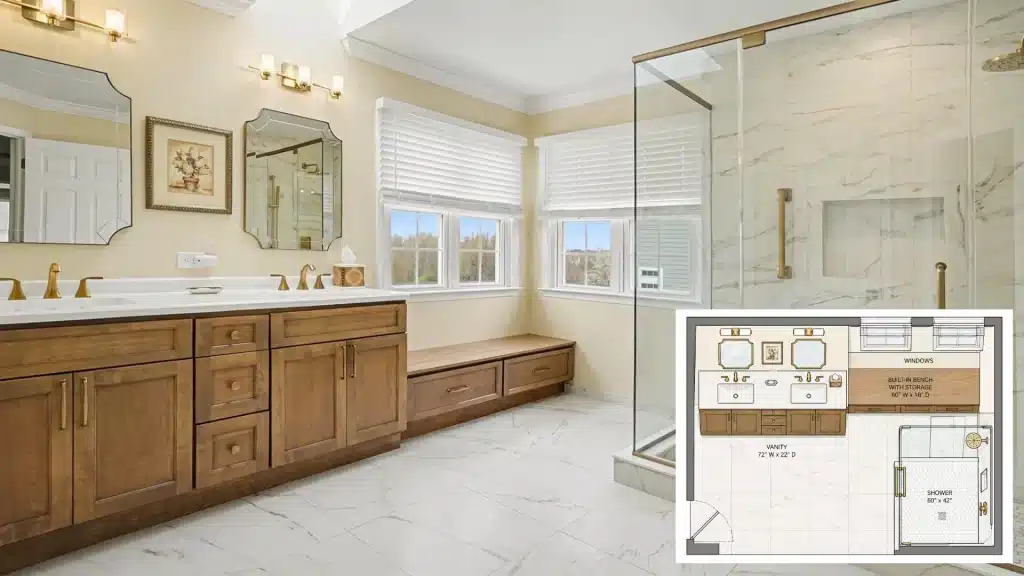
Cost is often one of the biggest factors in choosing between these approaches.
An installation-only project typically appears more affordable at the beginning. Since there is no structured design phase included, you’re mainly paying for labor and materials.
A design-build project includes planning and design services, which means a higher upfront investment.
However, overall cost is shaped by more than just the starting price.
Research suggests that integrated project approaches can experience approximately 2–4% lower cost growth on average, with some studies showing modest reductions in overall cost as well. At the same time, results are not consistent across all projects.
What the data consistently shows is this:
projects with less defined scope or evolving decisions tend to experience higher cost increases during construction, regardless of the delivery method.
The Role of Change Orders
Across all types of remodeling projects, one of the biggest drivers of cost increases and delays is change orders, adjustments made after construction has already begun.
Studies across the construction industry consistently show that change orders are closely linked to:
- increased project costs
- extended timelines
- added coordination challenges
Projects that rely on more upfront planning often see fewer major change orders, simply because more decisions are made before construction starts.
On the other hand, installation-based projects may allow for more flexibility during construction, which can be beneficial for some homeowners, but can also introduce more variability.
In practice, this becomes a trade-off between:
- predictability (more decisions upfront)
- flexibility (decisions made during the build)
Communication and Coordination
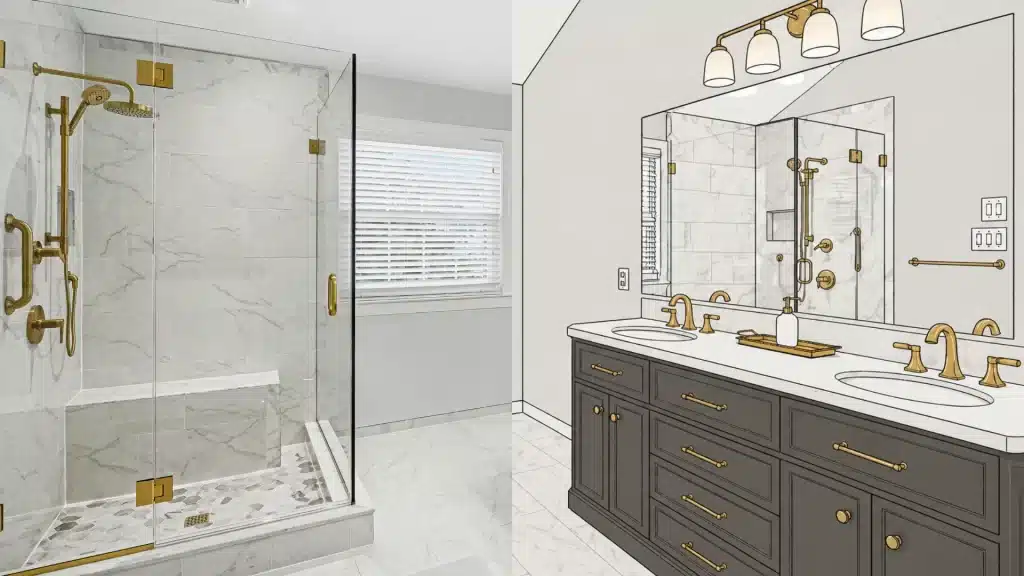
Another key difference is how communication is handled throughout the project.
In traditional installation-based setups, homeowners often act as the link between designers, suppliers, and contractors. While this can work well, it depends on how effectively information is coordinated across separate parties.
In a design-build model, the team is integrated from the start. Designers and builders collaborate throughout the process, which can help reduce miscommunication and improve coordination.
Research into project delivery methods highlights that early collaboration can reduce rework and improve efficiency. However, the overall experience still depends heavily on the individuals involved and how the project is managed.
What the Data Suggests, and What It Doesn’t
Looking across industry research, a few consistent patterns emerge:
- Projects with more defined planning upfront tend to have more predictable timelines
- Integrated approaches are often delivered faster on average
- Cost growth is frequently tied to mid-project changes, not just initial pricing
- Change orders remain one of the most common causes of delays and cost increases
At the same time, data also shows that no approach guarantees a perfect outcome. Execution, communication, and decision-making play just as large a role as the structure itself.
In practice, this often comes down to how early decisions are made. At Pottstown Construction Company, we see that when more details are worked through upfront, projects tend to move with fewer interruptions during construction. At the same time, some homeowners prefer a more flexible approach, even if it introduces more variability along the way.
When Installation-Only Makes Sense
An installation-only contractor can be the right choice in many situations.
For example:
- replacing flooring or updating a single element
- projects where design decisions are already finalized
- homeowners with experience managing renovations
- projects where minimizing upfront cost is the priority
In these cases, adding a full design-build process may not provide enough additional value to justify the cost.
Design-Build vs.
Installation Approach
Choosing the right path for your remodel
Design-Build
- ☷Integrated design
and construction - ▣Clear plan and
defined scope upfront - ▦Fewer changes
and delays - ◎More predictability
in cost and timeline
Installation
Approach
- ▤Lower upfront cost
- ○More homeowner
involvement - ☰Flexible and customizable
as you go - ☷Best for smaller or
single-scope projects
The right approach depends on your project, your goals, and how involved you want to be.
Construction Co. — Home Remodeling —
When Design-Build Becomes More Valuable
A design-build approach is often more helpful when:
- multiple parts of a space are being redesigned together
- layout or structural changes are involved
- coordination between trades becomes more complex
- minimizing surprises during construction is important
In these situations, having a unified team and a clearly defined plan can help keep the project more organized from start to finish.
Choosing the Right Approach
There isn’t a single approach that works best for every homeowner.
Some prefer to take a hands-on role, making decisions as the project moves forward. Others prefer a more guided process, with everything planned before construction begins.
The right choice depends on:
- the scope of your project
- your budget structure
- how involved you want to be
- how comfortable you are making decisions during construction
A More Informed Way to Start
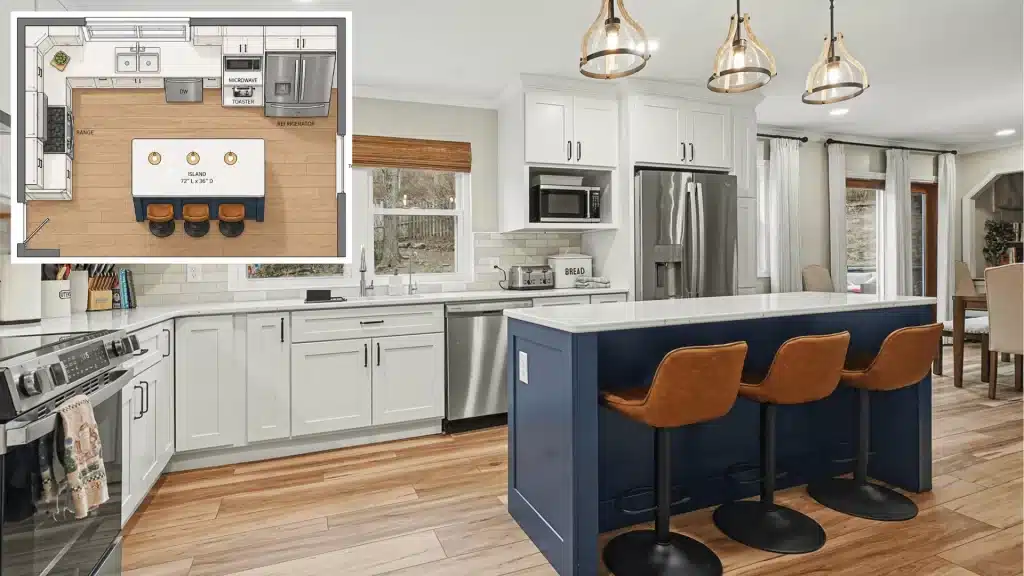
Before starting a remodel, it’s worth considering not just what you want to build, but how you want to build it.
At Pottstown Construction Company, we focus exclusively on a design-build approach because it allows for a more coordinated and structured process from start to finish.
At the same time, installation-only projects can be the right choice in certain situations, particularly for simpler scopes or when design decisions are already finalized.
Understanding how each approach works is often the first step toward a smoother, more predictable renovation experience.