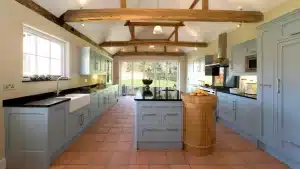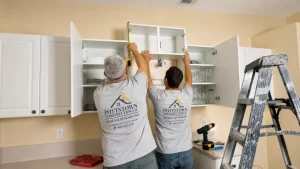
Home remodeling is how homeowners adapt their spaces to changing needs, whether that’s improving functionality, expanding square footage, or increasing long-term value. Unlike single-room projects, whole-home remodeling requires coordination, planning, and a clear understanding of how all updates work together.
This home remodeling guide explains the types of renovation projects available, how to plan them properly, and what homeowners should consider before starting construction.
What Home Remodeling Typically Includes
Home remodeling can involve one area of a house or multiple spaces at once. Projects often range from interior renovations to major structural changes.
Common home remodeling projects include:
- Whole-home renovations
- Room reconfigurations
- Home additions
- Basement finishing
- Structural upgrades
- Interior and exterior improvements
The scope depends on lifestyle needs, property limitations, and long-term plans for the home.

Whole-Home Remodeling Projects and Planning
Whole-home remodeling focuses on improving flow, function, and consistency across all living spaces. These projects are often planned together to avoid repeating work or wasting budget.
Reviewing current home remodeling trends helps homeowners understand how layouts, materials, and design preferences are evolving.
Some projects blend renovation with expansion. New construction and outdoor living upgrades often accompany remodeling efforts to improve usable space and curb appeal.
For homeowners planning interior improvements across multiple rooms, working with professional home remodeling services provides structure, scheduling, and accountability throughout the process.
Home Additions and Expanding Living Space
When existing space can’t meet a household’s needs, a home addition may be the best solution. Additions allow homeowners to increase square footage without relocating.
Popular addition projects include:
- Family room expansions
- Kitchen or dining extensions
- Primary suite additions
- In-law or guest spaces
Planning home additions in Pottstown requires evaluating lot size, structural capacity, and zoning considerations.
Likewise, homeowners exploring home additions in Chester Springs often focus on blending new construction seamlessly with existing architecture.
Basement Finishing and Added Living Areas
Basements offer one of the most cost-effective opportunities to add usable living space when planned correctly.
Finishing projects can include:
- Entertainment rooms
- Home offices
- Guest suites
- Storage and utility upgrades
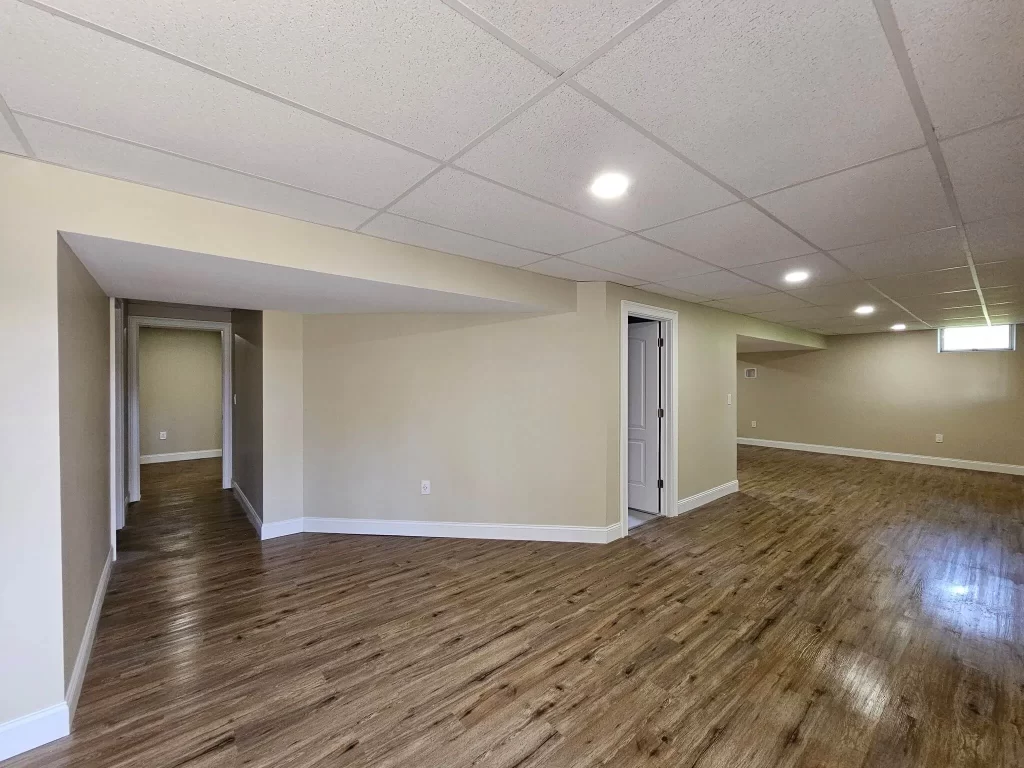
Understanding what’s involved in basement finishing in Pottstown helps homeowners plan around moisture control, egress requirements, and ceiling height limitations.
Costs, Timelines, and Budget Considerations
Home remodeling costs vary widely based on project scope, materials, structural work, and mechanical upgrades. Larger projects typically benefit from bundled planning rather than isolated renovations.
Key cost drivers include:
- Structural changes
- Additions and expansions
- Electrical and plumbing upgrades
- Finish materials
- Permit and inspection requirements
Clear planning at the beginning helps avoid budget overruns and scheduling conflicts later.
Remodeling vs Moving: Long-Term Value
For many homeowners, remodeling is more practical than buying a new home. Updating an existing property allows customization without the costs associated with selling, moving, and purchasing again.
Well-planned remodels often:
- Improve daily comfort
- Increase resale value
- Extend the usable life of the home
- Align older homes with modern expectations
Value is highest when remodeling choices balance current needs with future market appeal.
Why Hiring a Professional Remodeling Contractor Matters
Home remodeling involves multiple trades working in sequence. Without proper coordination, projects can stall or require costly rework.
Professional oversight helps ensure:
- Code compliance
- Permit management
- Scheduling efficiency
- Quality control
- Clear communication
For multi-room or structural projects, experienced home remodeling services reduce risk and deliver more predictable outcomes.
Final Thoughts
Home remodeling works best when viewed as a long-term investment rather than a series of isolated upgrades. Planning projects together, understanding cost drivers, and working with qualified professionals leads to better results and fewer surprises.
This guide provides an overview. Exploring each topic in depth allows homeowners to make informed decisions and move forward with confidence.
FAQs
How long does a whole-home remodel usually take?
Timelines vary depending on scope, but multi-room remodels often take several months from planning to completion.
Is it better to remodel all at once or in phases?
For major renovations, remodeling all at once is often more efficient and cost-effective when feasible.
Do home additions require permits?
Yes, additions typically require permits, inspections, and zoning approval.