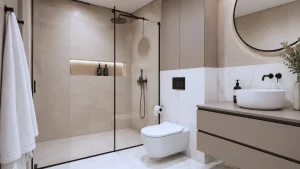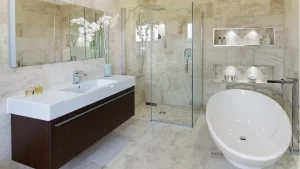
When remodeling a bathroom, one of the biggest decisions you’ll face is choosing the right tile for your shower. The material you pick sets the tone for your bathroom’s style, durability, and long-term upkeep. With so many options, it’s easy to feel overwhelmed.
In this guide, we’ll compare ceramic, porcelain, and natural stone shower tiles to help you find the best fit for your space. Whether you’re remodeling in Pottstown, Chester Springs, Phoenixville, Collegeville, Oaks, Limerick, Wayne, or King of Prussia, these insights will guide your decision.
Why Tile Choice Matters in a Shower
Showers see daily use, constant moisture, and heavy cleaning. Choosing the right tile means balancing beauty with strength and practicality. The wrong tile could lead to issues like staining, cracking, or water damage. The right one elevates your bathroom into a spa-like retreat while standing the test of time.
Ceramic Tile Showers

What It Is
Ceramic tile is made from natural clay, shaped, and fired at high heat. It’s often glazed, which gives it color and protection.
Pros
- Affordable and widely available
- Comes in many colors, shapes, and patterns
- Easier to cut and install than porcelain
- Smooth glazed surface resists stains
Cons
- Less dense, so more prone to chipping
- Not as water-resistant as porcelain
- Glazed surface can become slippery
Best Use
Ceramic tile is great for shower walls where durability demands are moderate but design flexibility matters.
Porcelain Tile Showers

What It Is
Porcelain is a type of ceramic tile, but it’s fired at a higher temperature. This makes it denser and less porous
Pros
- Highly durable and scratch-resistant
- Excellent for wet areas due to low water absorption
- Mimics natural materials like stone or wood
- Easy to maintain with simple cleaning
Cons
- Heavier and harder to cut, making installation more challenging
- Higher cost compared to ceramic
Best Use
Porcelain is ideal for high-traffic bathrooms and shower floors, where strength and water resistance are key.
Natural Stone Tile Showers
What It Is
Natural stone includes marble, granite, slate, and travertine. Each tile is unique, with its own veining and character.
Pros
- Timeless, luxurious appearance
- Unique patterns and natural variation
- Adds value to your home
Cons
- Requires sealing to prevent stains and water damage
- Can be slippery when wet
- Higher cost for both material and installation
- More maintenance compared to ceramic or porcelain
Best Use
Perfect for creating a spa-like bathroom with a high-end look. Best suited for walls or accent areas rather than heavy-use shower floors.
Side-by-Side Comparison
Feature | Ceramic Tile | Porcelain Tile | Natural Stone Tile |
Durability | Moderate | High | High (with care) |
Water Resistance | Medium | Excellent | Requires sealing |
Maintenance | Low | Low | High |
Luxury Appeal | Basic-Modern | High-End Look | Timeless Luxury |
What’s the Best Tile for Shower Walls?
If you want a balance of cost and beauty, ceramic is a safe choice. For durability and water resistance, porcelain wins hands down. And if you’re looking to make a bold statement with luxury and natural elegance, stone tile can transform your bathroom into a retreat.
Real Project Inspiration
At Pottstown Construction Company, we’ve seen firsthand how the right material transforms a space. For example, in the Vargo Family Kitchen Remodel, choosing high-quality finishes made the difference between a simple update and a stunning transformation. The same principle applies to bathroom remodeling — tile choice can elevate the entire room.
Professional Design + Build Services
Choosing the best tile for your shower is just one piece of the puzzle. At Pottstown Construction Company, our Design-Build process makes the journey seamless. We use:
- Zoom design meetings so you can plan without leaving home
- 3D design presentations for clear visualization
- AI estimator tools for transparent pricing
- Client portal access with daily logs and updates
It’s a refined, stress-free approach that delivers results you’ll love for years.
Thinking about a bathroom remodel in Pottstown or nearby towns? Let’s explore your options together.
FAQs About Shower Tile
1. What is the most durable bathroom tile option?
Porcelain is the most durable choice for showers because it’s dense, water-resistant, and scratch-resistant.
2. How much does it cost to tile a shower?
On average, expect to pay $10–$25 per square foot for ceramic or porcelain and $30–$50 per square foot for natural stone, including installation. Prices vary based on tile size, design, and layout.
3. Is natural stone good for shower walls?
Yes, but it needs regular sealing and maintenance. Stone brings a luxurious look but requires more care.
4. Can I mix tile types in my shower?
Absolutely. Many homeowners combine porcelain for durability with natural stone accents for a luxury touch.
Final Thoughts
Choosing the right shower tile comes down to your priorities: cost, durability, or luxury style. Ceramic works for budget-friendly remodels, porcelain is the practical winner for busy bathrooms, and natural stone delivers timeless elegance.
Ready to explore your options? Let’s talk about your bathroom remodel today.
Related Articles: