A kitchen remodel is one of the most valuable upgrades you can make to your home, but only when it’s planned correctly. Layout decisions, cabinet planning, materials, and timing all play a role in how successful the project will be long term.
This kitchen remodeling guide walks through the full process, from early planning and design to costs, trends, and resale value, so homeowners know what to expect before construction begins.
What a Kitchen Remodel Typically Includes
A kitchen remodel can range from surface-level updates to full structural changes. Most projects involve some combination of layout improvements, cabinetry upgrades, new countertops, lighting changes, and appliance integration.
The scope depends on how the kitchen functions today and what needs to improve. Poor flow, lack of storage, outdated finishes, and inefficient lighting are the most common reasons homeowners remodel.
Kitchen Layout and Design Planning
Layout is the foundation of every successful kitchen remodel. A visually attractive kitchen that functions poorly will quickly become frustrating.
Many homeowners begin by reviewing architectural kitchen designs that fit their home’s structure and style. These designs prioritize traffic flow, clearance, and practical work zones rather than trends alone.
If the space feels cramped or awkward, reviewing proven kitchen layout ideas can help identify better configurations for cooking, prep, and storage.
In some homes, the biggest issue is not size but age. An outdated kitchen layout may no longer reflect how people cook or entertain today, making layout updates one of the highest-impact improvements.
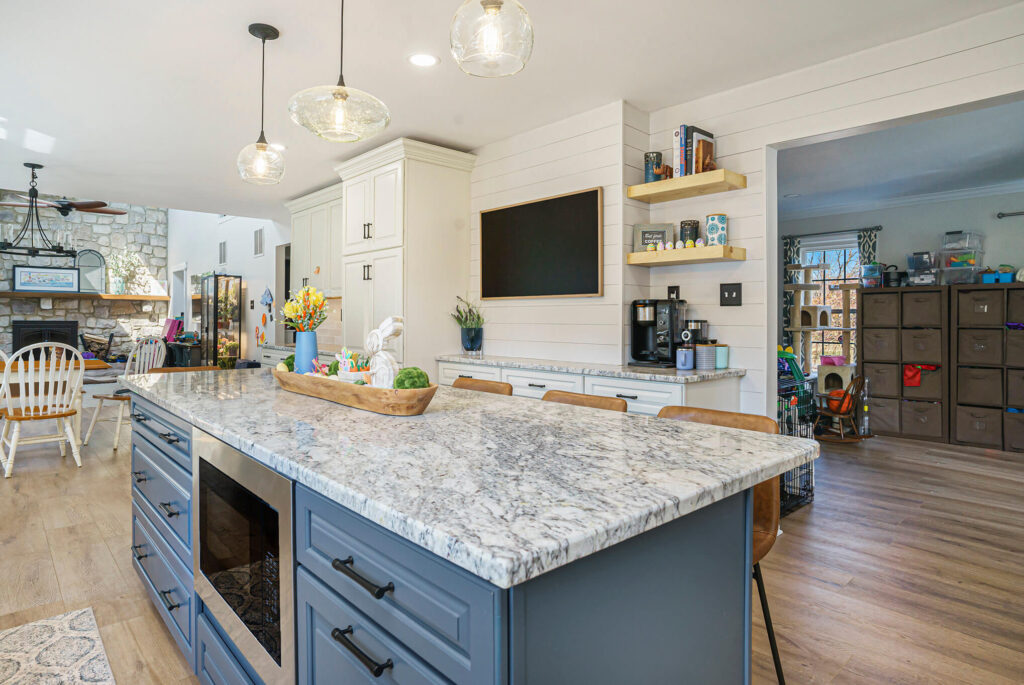
A common question during layout planning is whether to add an island. Deciding if you need a kitchen island depends on clearance, workflow, and how the kitchen is used daily.
Cabinet Planning and Storage Optimization
Cabinets account for a large portion of both the kitchen’s function and its cost. Good cabinet planning improves efficiency and reduces clutter without increasing square footage.
Strategic kitchen cabinet planning focuses on storage zones, drawer placement, accessibility, and long-term durability.
For homes that need additional storage, custom pantry design offers flexible solutions tailored to the kitchen’s layout and cooking habits.
Countertops, Backsplashes, and Material Selection
Material selection affects how the kitchen looks, how it wears over time, and how much maintenance it requires.
Homeowners often compare different types of kitchen countertops based on durability, appearance, and lifestyle compatibility.
Backsplashes add both protection and visual interest. Choosing the right design requires balancing aesthetics with practicality, especially near cooking areas.
Many homeowners gravitate toward natural stone surfaces for their durability and timeless appeal when properly selected and installed.

Kitchen Lighting and Appliance Integration
Lighting strongly influences both function and atmosphere. A well-designed kitchen often combines task, ambient, and accent lighting.
Understanding different types of kitchen lighting helps ensure prep areas are bright and safe while maintaining overall balance.
Modern kitchens also rely on seamless appliance integration. Selecting high-end kitchen appliances requires planning around ventilation, electrical capacity, and layout compatibility.
Kitchen Remodel Costs and Timing
Kitchen remodel costs vary based on size, materials, layout changes, and mechanical updates. Knowing when to remodel is just as important as knowing how much to spend.
Some homeowners question whether it’s smart to begin a project now or wait. Evaluating whether now is a good time to remodel depends on market conditions, household needs, and material availability.
A well-timed remodel often prevents higher costs later by addressing problems before they worsen.
Trends vs Timeless Kitchen Design
Trends can add excitement to a kitchen, but not all of them age well. Understanding current kitchen design trends helps homeowners decide what to adopt and what to avoid.
When resale value matters, it’s important to understand how a custom kitchen remodel affects home value, especially in competitive real estate markets.
Timeless layouts and neutral finishes consistently outperform overly niche upgrades.
When to Hire a Professional Kitchen Remodeling Contractor
A kitchen remodel involves coordination across multiple trades, permits, and inspections. Homeowners who hire professionals benefit from planning oversight, schedule control, and reduced risk.
For complex projects, working with experienced kitchen remodeling services ensures the remodel meets safety standards and delivers lasting results.
Final Thoughts
A kitchen remodel should improve daily life, not create long-term stress. Proper planning, informed material choices, and realistic budgeting are the keys to a successful outcome.
This guide serves as a starting point. Exploring each topic in detail helps homeowners move forward with confidence and avoid costly mistakes.
FAQs
How long does a kitchen remodel typically take?
Most kitchen remodels take several weeks depending on scope, materials, and layout changes.
What upgrades offer the best return on investment?
Layout improvements, quality cabinetry, energy-efficient appliances, and durable surfaces typically provide the strongest ROI.
Should I remodel before selling my home?
In many cases, yes, especially if the kitchen is outdated or poorly laid out.